Trending...
- New Home of the Month: Spacious Luxury Meets Modern Design in The Bristol at Heritage at Manalapan
- Medical Experts Highlight the Importance of Second Opinions in Death Investigations
- Primary Dental Shares Ways Seniors Can Maintain Strong Teeth and Gums as They Age
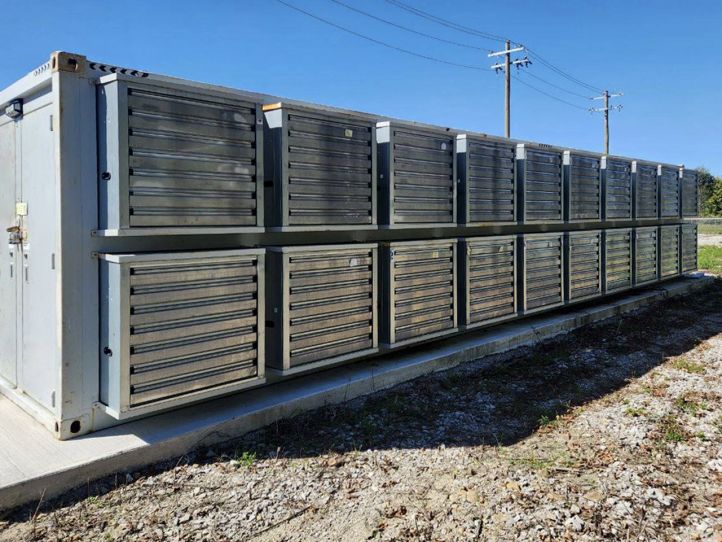

Modular container data centers are reshaping how cryptocurrency mining operates.
SAN FRANCISCO - ColoradoDesk -- Inside Bitcoin Mining: The Containers Powering a Global Network
Over the last decade, Bitcoin has evolved from an obscure internet experiment into a global digital asset. While most people track price swings or market headlines, few see the physical infrastructure that keeps the network running behind the scenes: mining.
Bitcoin mining has grown from a hobby conducted on personal computers into a large-scale industrial operation. As the network expanded, efficiency, power availability, and operating costs became the dominant factors shaping where and how mining takes place. One solution increasingly adopted by operators is containerized infrastructure—repurposed shipping containers designed to house specialized mining equipment.
These containerized facilities offer a fast and flexible way to deploy mining operations wherever reliable electricity is available.
What Bitcoin Mining Actually Does
Bitcoin mining is the process that verifies transactions and secures the blockchain network. When someone sends Bitcoin from one digital wallet to another, the transaction must first be validated by a decentralized network of computers.
Thousands of transactions are grouped into blocks. Specialized machines known as miners compete to verify those blocks by solving complex cryptographic problems. Once a block is verified, it is added to the blockchain, and the miners receive a reward consisting of newly issued Bitcoin and transaction fees.
More on Colorado Desk
This process requires significant computing power, which consumes large amounts of electricity and produces substantial heat. As mining scaled globally, operators began searching for infrastructure that could support high-density computing while remaining cost-efficient and adaptable.
Why Containers Are Used for Mining
Shipping containers have become a practical solution for housing mining equipment because they are modular, transportable, and relatively quick to deploy.
Scalability is one of the biggest advantages. Instead of constructing large permanent facilities, operators can start with a single container and expand incrementally by adding more units as demand grows. Containers can be arranged side by side or stacked, creating a flexible infrastructure that grows alongside the operation.
Mobility is another major factor. Mining operations often follow access to inexpensive electricity. Containerized systems allow operators to relocate equipment to regions with more favorable energy costs or regulatory conditions, something traditional data center buildings cannot easily accommodate.
Cooling and airflow also play a critical role. Mining machines run continuously and generate large amounts of heat. Container systems are typically designed with high-volume ventilation, using industrial fans to pull cool air in and push hot air out. Some operations also incorporate evaporative cooling systems to further reduce internal temperatures while minimizing energy use.
More on Colorado Desk
A New Layer of Infrastructure
A typical 40-foot mining container can support roughly 1 to 1.5 megawatts of electrical load and house hundreds of specialized machines. To operate safely and efficiently, these units rely on industrial-grade electrical systems, including three-phase power, power distribution units, and carefully designed rack layouts that maintain airflow between machines.
As Bitcoin continues to mature, the infrastructure supporting it is evolving as well. Containerized mining facilities illustrate how the industry is adapting to the demands of large-scale computing while maintaining flexibility in a rapidly changing energy and regulatory landscape.
What began as a decentralized financial experiment is now supported by a global network of highly specialized infrastructure—often hidden inside rows of steel containers working around the clock.
To read the full story, click here: https://www.conexwest.com/blog/hidden-infrastructure-behind-bitcoin-shipping-containers
About Conexwest
Conexwest is a U.S.-based supplier of shipping containers and container modifications serving commercial, industrial, and infrastructure projects across North America. The company provides new and used shipping containers along with customized container solutions designed for storage, mobile offices, modular facilities, and specialized infrastructure such as data processing environments and equipment housing.
Learn more at: https://www.conexwest.com
Over the last decade, Bitcoin has evolved from an obscure internet experiment into a global digital asset. While most people track price swings or market headlines, few see the physical infrastructure that keeps the network running behind the scenes: mining.
Bitcoin mining has grown from a hobby conducted on personal computers into a large-scale industrial operation. As the network expanded, efficiency, power availability, and operating costs became the dominant factors shaping where and how mining takes place. One solution increasingly adopted by operators is containerized infrastructure—repurposed shipping containers designed to house specialized mining equipment.
These containerized facilities offer a fast and flexible way to deploy mining operations wherever reliable electricity is available.
What Bitcoin Mining Actually Does
Bitcoin mining is the process that verifies transactions and secures the blockchain network. When someone sends Bitcoin from one digital wallet to another, the transaction must first be validated by a decentralized network of computers.
Thousands of transactions are grouped into blocks. Specialized machines known as miners compete to verify those blocks by solving complex cryptographic problems. Once a block is verified, it is added to the blockchain, and the miners receive a reward consisting of newly issued Bitcoin and transaction fees.
More on Colorado Desk
- J&J Exterminating Celebrates 65th Anniversary and Unveils Strategic Vision at Annual Team Meeting
- Tru by Hilton El Paso Airport Opens to Guests
- Zenylitics Announces Leadership Transition to Continue Accelerated Growth
- The AI SEO Approach Behind Boulder SEO Marketing's 2026 Top Denver Agencies Recognition
- Colorado: Governor Polis Takes Action on Bills
This process requires significant computing power, which consumes large amounts of electricity and produces substantial heat. As mining scaled globally, operators began searching for infrastructure that could support high-density computing while remaining cost-efficient and adaptable.
Why Containers Are Used for Mining
Shipping containers have become a practical solution for housing mining equipment because they are modular, transportable, and relatively quick to deploy.
Scalability is one of the biggest advantages. Instead of constructing large permanent facilities, operators can start with a single container and expand incrementally by adding more units as demand grows. Containers can be arranged side by side or stacked, creating a flexible infrastructure that grows alongside the operation.
Mobility is another major factor. Mining operations often follow access to inexpensive electricity. Containerized systems allow operators to relocate equipment to regions with more favorable energy costs or regulatory conditions, something traditional data center buildings cannot easily accommodate.
Cooling and airflow also play a critical role. Mining machines run continuously and generate large amounts of heat. Container systems are typically designed with high-volume ventilation, using industrial fans to pull cool air in and push hot air out. Some operations also incorporate evaporative cooling systems to further reduce internal temperatures while minimizing energy use.
More on Colorado Desk
- Governor Polis Signs Bills into Law to Protect Coloradans' Furry Friends, Create Wild Horse License Plate, and Build a Colorado For All
- Governor Polis, Colorado Springs Mayor Mobolade and CPW Announce Cheyenne Mountain State Park Expansion, Sign New Recreation Agreement to Increase Camping and Boating
- Keeping Colorado Communities Safe: Governor Polis Signs Laws to Strengthen Public Safety, Takes Action on Bills
- Investing in Students and Colorado's Workforce: Governor Polis Signs New Laws Strengthening Schools and Helping Coloradans Access Skills and Good Jobs
- Wellness Technology Distributor Helping People Set Up Wellness Center Businesses
A New Layer of Infrastructure
A typical 40-foot mining container can support roughly 1 to 1.5 megawatts of electrical load and house hundreds of specialized machines. To operate safely and efficiently, these units rely on industrial-grade electrical systems, including three-phase power, power distribution units, and carefully designed rack layouts that maintain airflow between machines.
As Bitcoin continues to mature, the infrastructure supporting it is evolving as well. Containerized mining facilities illustrate how the industry is adapting to the demands of large-scale computing while maintaining flexibility in a rapidly changing energy and regulatory landscape.
What began as a decentralized financial experiment is now supported by a global network of highly specialized infrastructure—often hidden inside rows of steel containers working around the clock.
To read the full story, click here: https://www.conexwest.com/blog/hidden-infrastructure-behind-bitcoin-shipping-containers
About Conexwest
Conexwest is a U.S.-based supplier of shipping containers and container modifications serving commercial, industrial, and infrastructure projects across North America. The company provides new and used shipping containers along with customized container solutions designed for storage, mobile offices, modular facilities, and specialized infrastructure such as data processing environments and equipment housing.
Learn more at: https://www.conexwest.com
Source: Conexwest
0 Comments
Latest on Colorado Desk
- Summer Festivals in Gunma Prefecture: Song, Dance, and Vibrant Color – Get There Via Tobu Railway!
- Celebrating Colorado Artists and Community Impact: Gov. Polis Announces Recipients of 2026 Governor's Creative Leadership Awards
- Governor Polis Signs Bills Into Law Protecting Colorado Pollinators and Colorado's Environment
- Jetperch Introduces Joulescope JS320 Precision Energy Analyzer for Low-Power Embedded System Development
- AI-Powered Trading Bots Are Transforming Forex, Gold, and Digital Markets as DefiHash Expands Intelligent Quantitative Infrastructure
- Early Bird Registration Open for FLYING HY, the Top Hydrogen and Battery Electric Aviation Event
- Century Fasteners Corp. Hires Tony Marano as Director of Human Resources
- Accelerating Toward Commercialization as FDA Momentum, AI Neurotherapy & Manufacturing Expansion Drive Multi-Catalyst Growth Story; N A S D A Q: NRXP
- New Wisconsin Report Shows Most Plane Crashes Happen Outside Major Hubs
- Colorado: Governor Polis Signs New Laws Strengthening Front Range Passenger Rail and Delivering More Housing Coloradans Can Afford
- Governor Polis Signs New Law Modernizing Transportation in Colorado, Strengthen RTD
- Book Florida Keys Accommodations Early with KeysCaribbean and Save 15 Percent
- Color Card Administrator Highlights Growing Enterprise Demand for Workflow Orchestration in Enterprise Business Card Governance
- Tennessee Laws Lead with Psychotropic Drug Testing in Mass Shooting Cases and Comprehensive Reporting: CCHR Urges Nationwide Adoption
- Curious About Mensa? DFW Event Offers a 1-Day Immersion
- 16th Annual Spring Yarn Community Event!
- Buzzblender Announces Launch of Simple Hotel Mode for Android and Upcoming Video Wall Support for Samsung Professional Displays
- How Strategic WooCommerce Development and Digital Marketing Helped a Fashion Ecommerce Business Increase Revenue by 3X
- VIV Welcomes Residents to St. Petersburg's EDGE District
- Primary Dental Shares Ways Seniors Can Maintain Strong Teeth and Gums as They Age